Private residential development · Pardis
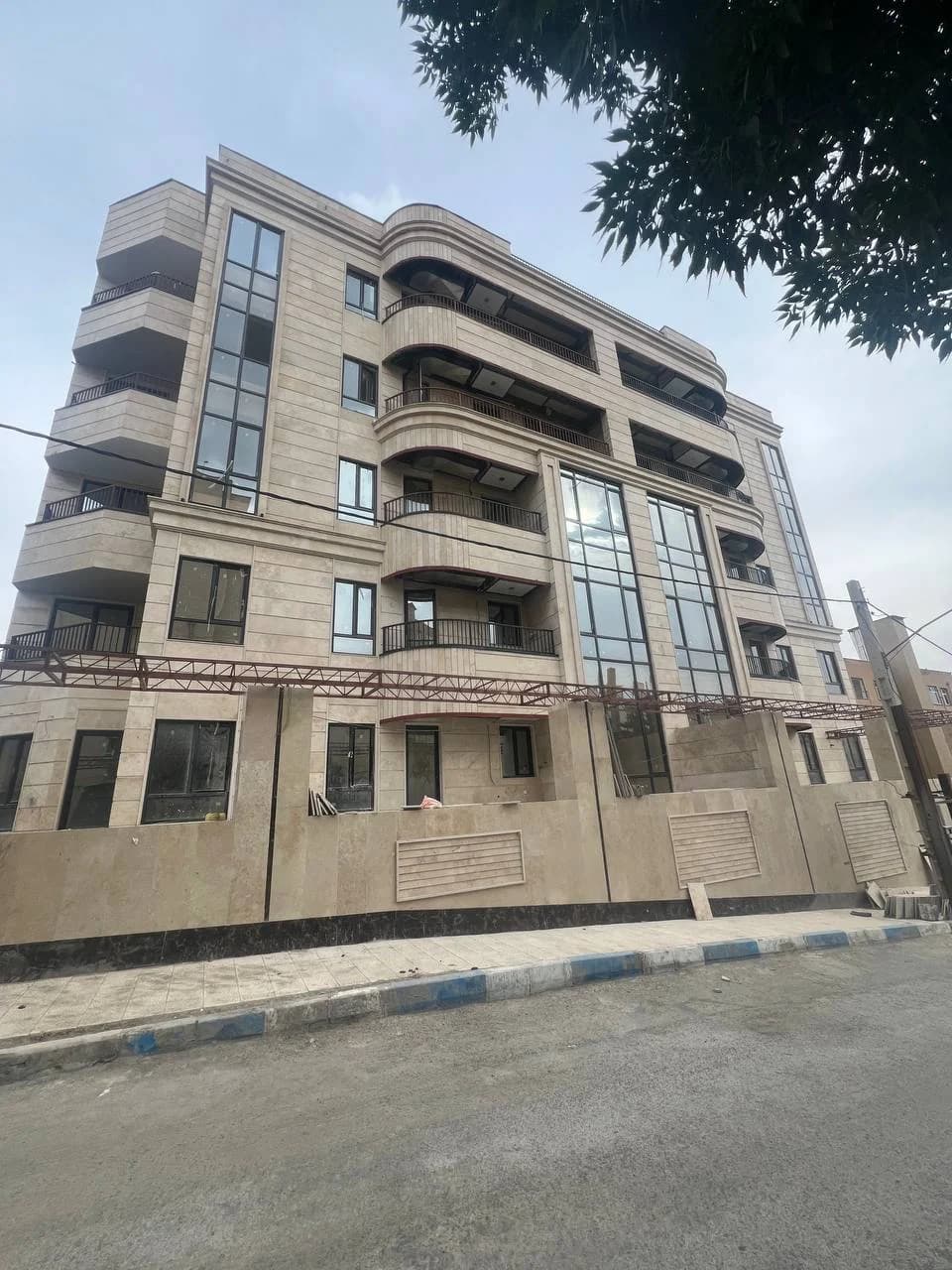
Lotus Residential Building
Building a practical project-control system for a fast-moving residential project without a formal baseline.
Project situation
A live project without a formal control structure.
I joined after the structure was complete. Delivery dates were tight, management was largely traditional and there was no formal schedule connecting remaining scope, resources and progress. The immediate need was a system the team could actually use.
The challenge
Create clarity without slowing the work.
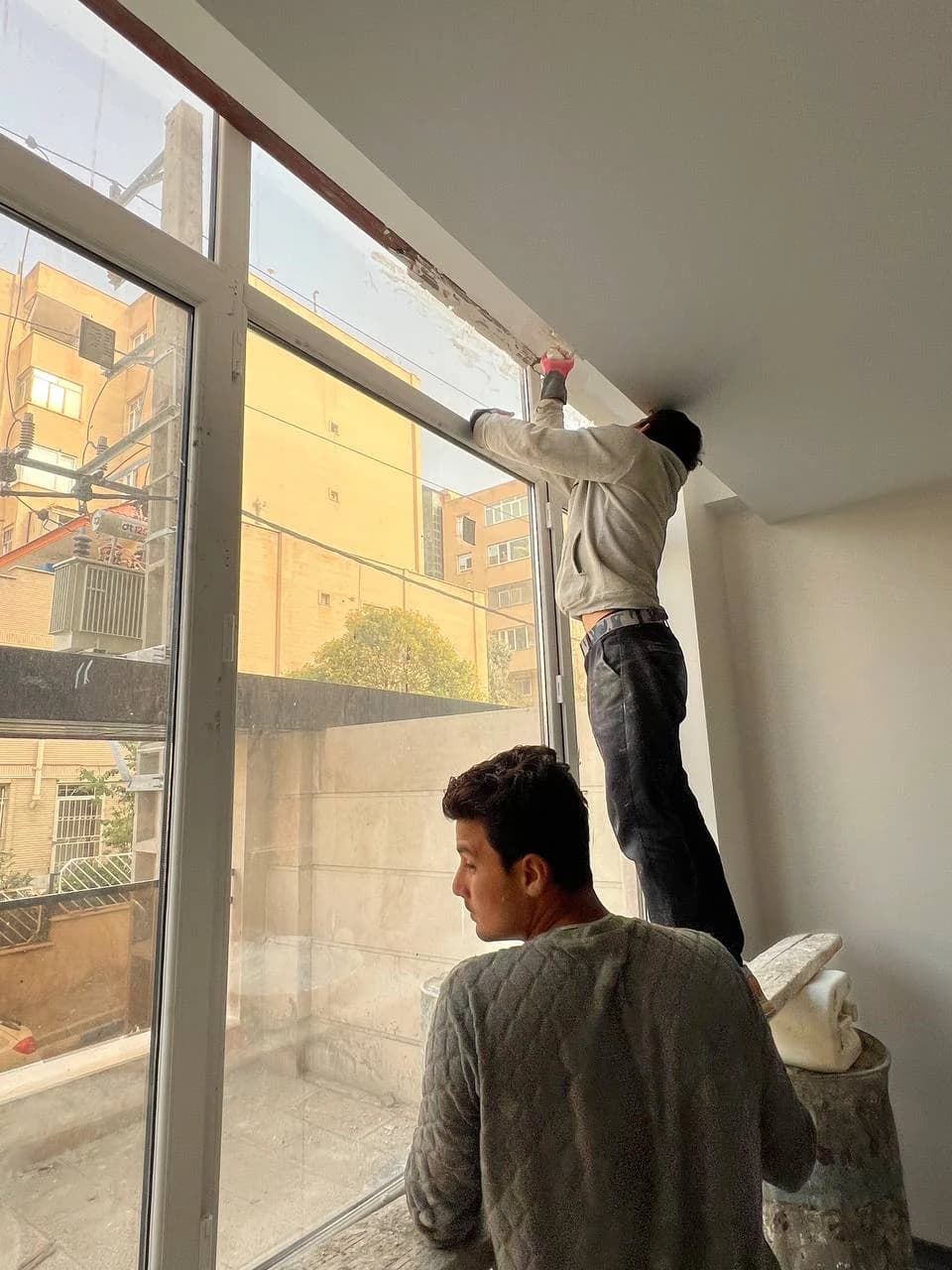
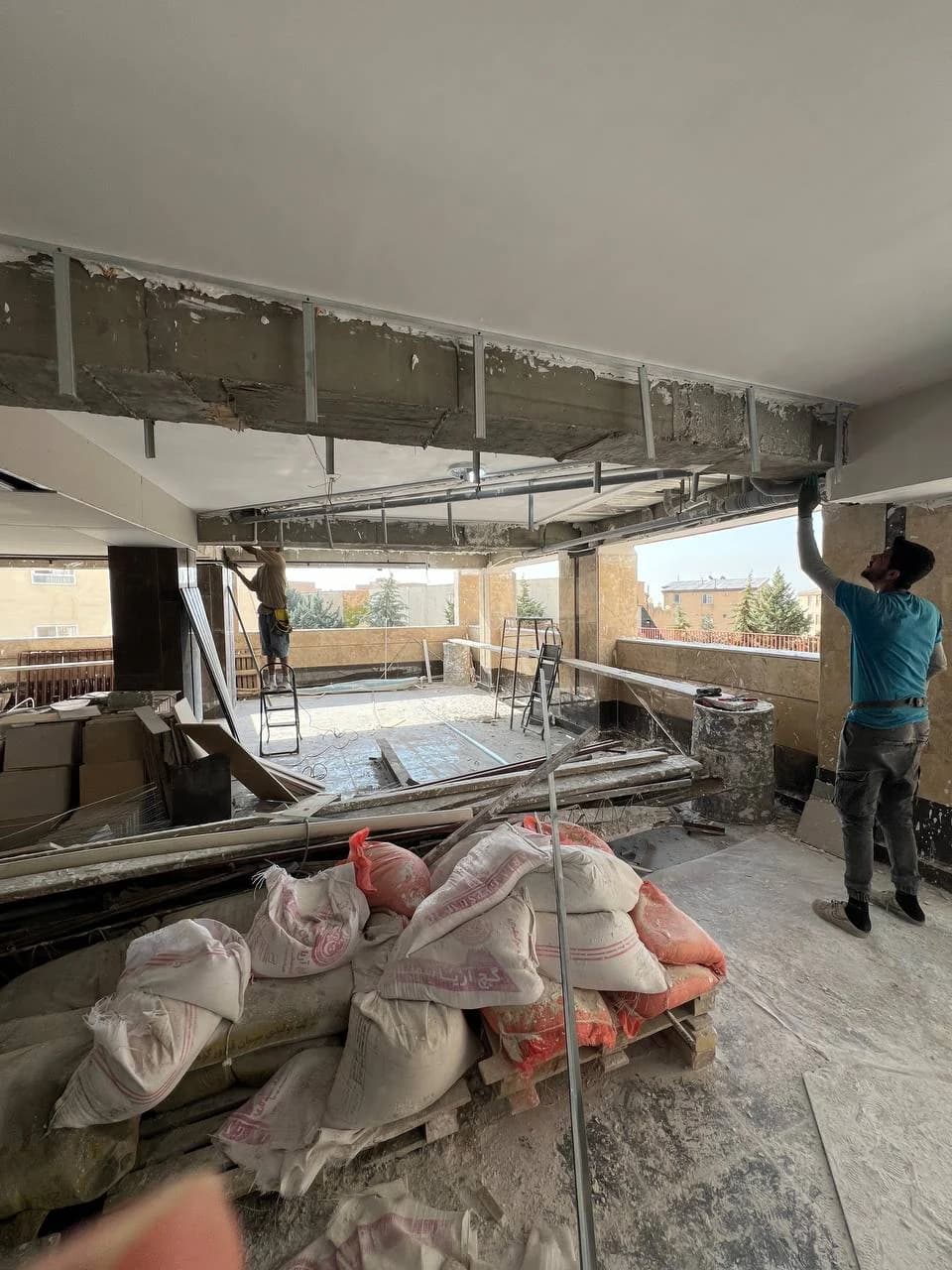
Finishing trades were overlapping, decisions were short-cycle and the project could not pause for a heavy planning exercise. The control system had to be detailed enough to expose dependencies, but simple enough to support weekly action.
- 01No approved baseline for remaining work
- 02Overlapping finishing and installation trades
- 03Tight handover commitments across 45 units
The approach
A lightweight rhythm from WBS to weekly action.
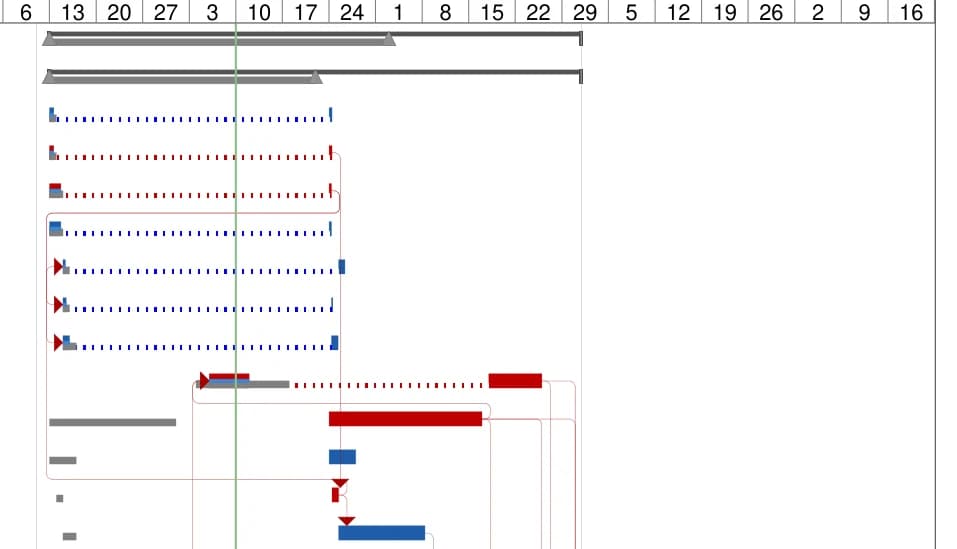
I developed the WBS and baseline, then translated them into 40-day planning cycles. Weekly monitoring, an S-curve, resource planning and concise reporting gave the team a shared view of priorities and emerging constraints.
- 01Structured the remaining scope into a clear WBS
- 02Created a baseline and 40-day look-ahead cycles
- 03Tracked weekly progress and resource needs
- 04Used S-curves and reporting to focus decisions
Planning evidence
Sanitized chart-only crop from the working schedule; task and resource labels are intentionally excluded.
The outcome
Every residential unit was delivered on time.
The planning rhythm made upcoming work visible early enough to coordinate trades and resources. All 45 residential units reached handover within the committed timeframe.
“The system was useful because it stayed close to the work.”
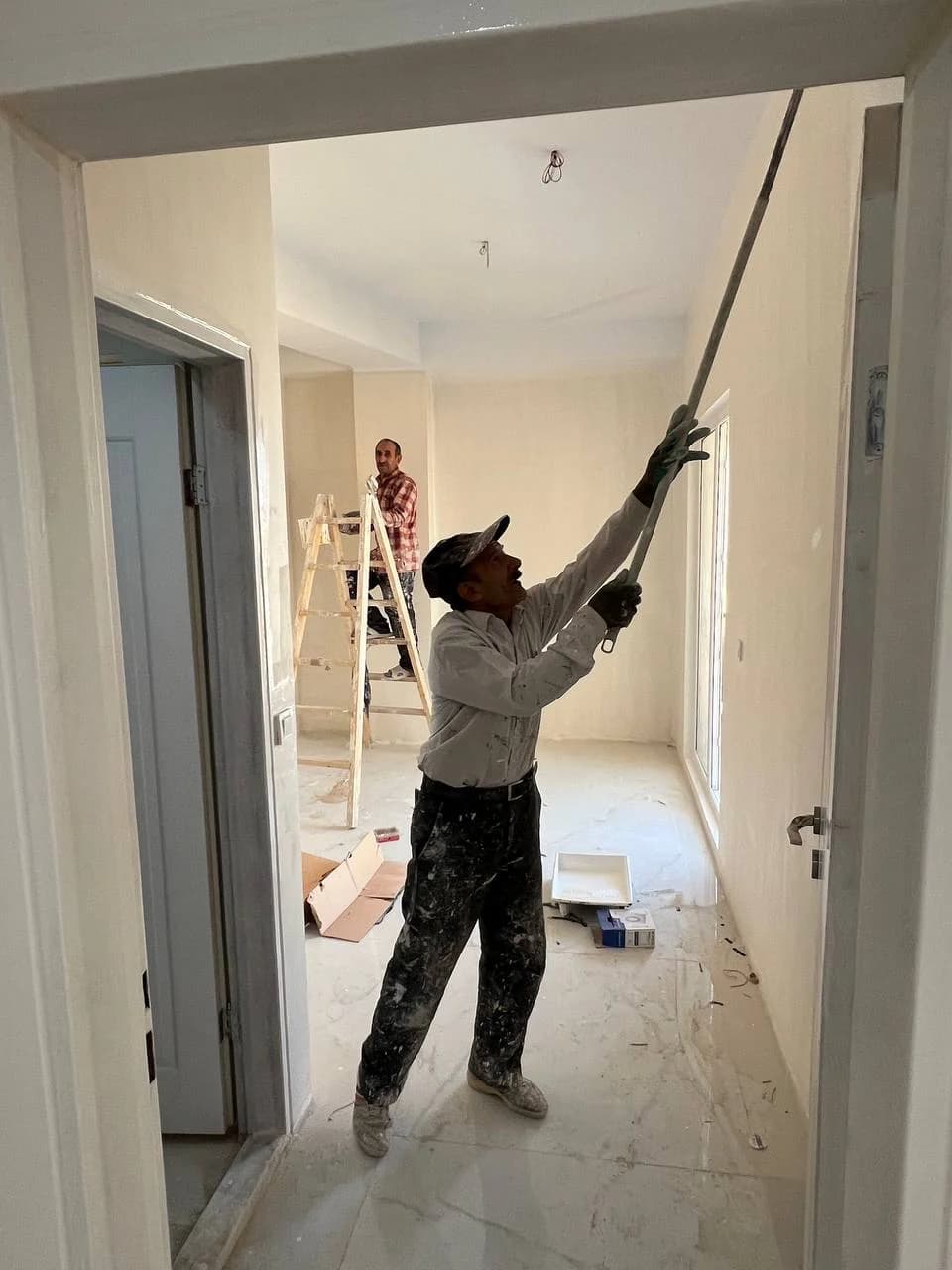
From construction to handover
Let’s collaborate
Complex projects need a clear point of view.
For project controls, construction management and thoughtful collaboration.
Request a meeting